FIELD NOTE
How to Build a Xiaohongshu Swipe File Without Copying Other Creators
Learn how brand and content teams research Xiaohongshu systematically: what to collect, how to analyse patterns, and turn them into original notes without copying.

Xiaohongshu content research is the foundation of any serious brand presence on the platform. For founders and content teams marketing to Chinese-speaking consumers in China, Australia, and Malaysia, a well-organised swipe file can accelerate content planning and improve note quality. But the line between research and copying is thin, and crossing it can damage your brand and violate copyright. This article outlines a systematic method for building a Xiaohongshu swipe file that respects other creators and fuels original content.

A swipe file is a collection of notes, patterns, and ideas that inspire your own work. It is not a repository of content to repost. When you collect publicly visible Xiaohongshu notes for research, you must treat them as raw material for analysis, not as templates to duplicate. Every note you save should teach you something about structure, language, or audience preferences—then you must add your own perspective, data, or experience before publishing anything.
Throughout this guide, I will refer to a fictional brand example: "Lumina Skincare," a Melbourne-based company selling vitamin C serums to Chinese-speaking consumers in Australia and Malaysia. All examples are illustrative and do not represent real accounts or metrics. For more context on my approach to digital content and community management, see my Online Community article.

What to Collect: Building a Research Corpus
Your swipe file should contain more than screenshots of popular notes. To analyse patterns effectively, you need structured data: the note's title, body text, visible engagement (likes, saves, comments), cover image style, and the date it was posted. You can collect this manually by copying text into a spreadsheet, but that becomes tedious at scale. Tools like the Dahongshu Chrome extension can help you scan publicly visible notes you choose and sync the extracted data to a cloud workspace for filtering and de-duplication.

When selecting notes to collect, focus on relevance, not just virality. For Lumina Skincare, relevant notes might include product reviews for vitamin C serums, skincare routine posts targeting sensitive skin, or seasonal content about summer sun protection. Avoid collecting notes that are clearly off-topic, even if they have high engagement. A swipe file full of irrelevant viral posts will mislead your content strategy.

You should also collect notes from a variety of creators: top influencers, mid-tier accounts, and small but engaged communities. Each tier offers different insights. Top influencers show what polished, high-production content looks like; smaller accounts often reveal authentic language and unmet needs. Remember that collecting a note is not an endorsement of its content—it is simply a data point for your research.
How to Analyse Patterns Without Copying
Once you have a corpus of 50–100 notes, start looking for recurring elements. What titles use numbers or questions? How long are the bodies of high-saving notes? Which cover image styles (e.g., before-and-after, flat lay, text overlay) appear most often in your niche? This pattern analysis is the core of Xiaohongshu content research. It tells you what formats and topics resonate, but it does not give you permission to replicate exact wording or layouts.

For example, Lumina Skincare might notice that notes with titles like "5 Mistakes You're Making with Vitamin C" consistently outperform generic titles like "Vitamin C Serum Review." That is a structural insight you can apply to your own original content. You might write "4 Vitamin C Myths That Are Ruining Your Routine"—a title that follows the pattern but offers a different angle. The key is to extract the underlying principle (specific number + common mistake) and then apply it to your own knowledge and brand voice.

When analysing body text, pay attention to tone and formatting. Do high-performing notes use short paragraphs, emojis, or personal anecdotes? Do they include disclaimers or price comparisons? These observations can inform your content calendar, but they must be filtered through your brand's unique perspective. If every competitor note uses a cheerful, casual tone, you might choose a more authoritative, science-backed tone to differentiate yourself—that is an original decision based on research, not copying. For more on how I approach content strategy and community dynamics, read my article on Online Community Encouraging Contributions.

Turning Research into Original Content: A Checklist
The final step is transforming your swipe file insights into publishable notes. This is where many teams stumble, either by hewing too closely to a source note or by ignoring the research altogether. Use the following checklist to ensure your output is original and valuable:

- Source identification: Can you point to the specific notes that inspired your idea? If yes, write down what you learned from each (e.g., "Note A showed that question titles get more saves").
- Value addition: What new information, experience, or perspective does your note offer? This could be your own product data, customer feedback, professional expertise, or a unique cultural angle.
- Structural difference: Does your note have a different outline, example set, or visual style than the source notes? Even if the topic is similar, the execution must be distinct.
- Language originality: Are you using your own words for every sentence? Avoid paraphrasing too closely; rewrite ideas from scratch.
- Credit and compliance: If you directly reference a specific creator's idea, data, or image, do you have permission or are you providing proper attribution? Xiaohongshu's platform rules and copyright law require this.
If you cannot check all five boxes, go back and revise. For Lumina Skincare, a note titled "We Tested 3 Vitamin C Serums on Sensitive Skin (Here's What Happened)" would pass the checklist if the testing was done in-house, the structure differed from any single source, and the language was original. It would fail if it simply summarised another creator's review without adding new data.
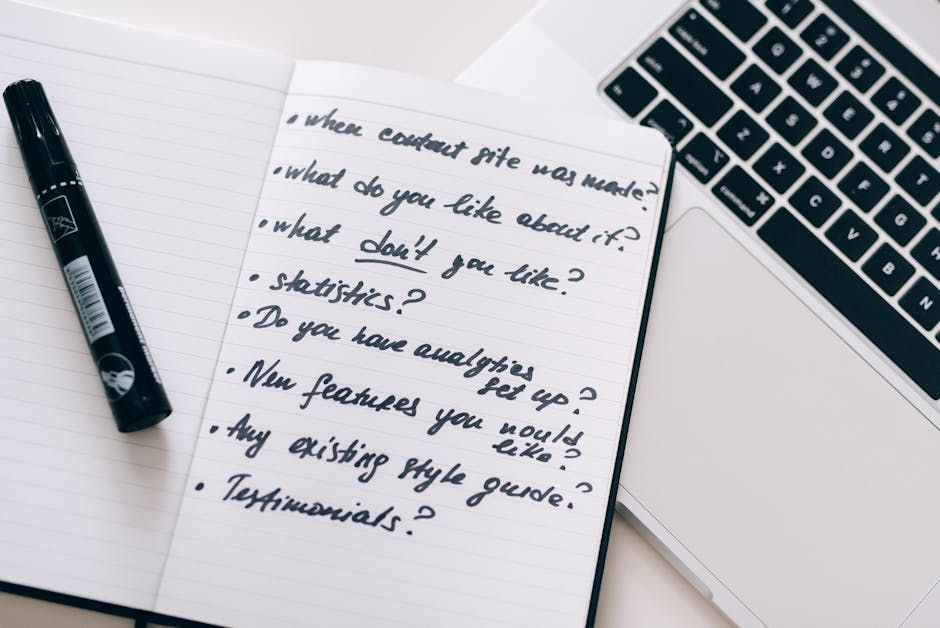
Building a swipe file is not a one-time task; it is an ongoing practice. Schedule a weekly review of your collected notes to prune irrelevant items and add new ones. Over time, your swipe file becomes a living document that reflects your niche's evolution and your brand's growing understanding of the audience. To see how I document my own projects and research, visit my Projects page.

Remember: collected notes are research material, not content to republish. Always add original value, credit where appropriate, and follow copyright law and Xiaohongshu's platform rules. Your goal is to learn from the ecosystem, not to imitate it. If you're interested in more of my writing on social media and content, check out my All writing page.

FAQ
Is it legal to save Xiaohongshu notes for research?
Saving publicly visible notes for personal research is generally acceptable, but you must not republish or distribute that content without permission. Always respect copyright and Xiaohongshu's terms of service.
How many notes should I collect for a useful swipe file?
Start with 50–100 relevant notes to identify patterns. Quality and relevance matter more than quantity; a smaller set of closely related notes is more actionable than a large random collection.
Can I use another creator's note as a template if I change the words?
No. Even with different wording, closely imitating structure, examples, or visual style can constitute copyright infringement or unethical copying. Always add substantial original value and create from scratch.
What should I do if I want to reference a specific Xiaohongshu note in my content?
If you directly quote or closely paraphrase a note, you must obtain permission from the creator or provide proper attribution as allowed by law and platform rules. When in doubt, create an original note inspired only by general patterns, not specific content.
Sources
- Xiaohongshu Community Guidelines — Xiaohongshu
- Copyright Law of the People's Republic of China — WIPO
- Australian Copyright Council: Fair Dealing — Australian Copyright Council